Stan. S. Katz

Author of The Emperor and the Spy

  • Home
  • Author
  • Books
  • Reviews
  • Educators
  • News
  • Audiobook & Timeline
  • Mashbir Archives
  • Tokugawa Archives
  • Contact
Follow Stan on FacebookFollow Stan on TwitterFollow Stan on GoodreadsFollow Stan on RSS

Sign Up for Future Blogs Linked to Colonel Mashbir and Japanese History

Read the Intro Posts

INTRODUCTION TO THE ART OF PEACE

WELCOME!

Recent Posts

  • San Diego Jewish Journal Holocaust Remembrance Edition May 2016 highlights the historical novel, The Emperor and the Spy and the outstanding achievements of Colonel Sidney Mashbir.
  • The Emperor and the Spy, was one of two books highlighted during academic/diplomatic event sponsored by the Prime Minister’s Office of Japan and hosted by San Diego World Affairs Council
  • Osher Lifelong Education Institute – UCSD Presentation. Remarkable story, the alliance between a patriotic U.S. Intelligence Agent, Colonel Sidney Mashbir, and a humanitarian Japanese International Statesman, Prince Iyesato Tokugawa, who heroically delayed and attempted to prevent WWII in the Pacific.
  • Tokugawa & Komatsu, Forgotten Heroes – Until his passing in 1940, Prince Iyesato Tokugawa held back WWII in the Pacific – Tokugawa’s diplomatic legacy lived on after WWII ended, when his protégé, Takashi Komatsu, guided the US and Japan to again become friends and allies.
  • Have you ever wondered how US and Japan re-established their friendship and alliance following the trauma of WWII? Here’s a new biography that honors an amazing Japanese American statesman, Takashi Komatsu, who guided this major achievement.

Archives

Captain Sidney Mashbir’s successful 1922 secret mission prevented a potential war in Asia. However, the Great Kanto Earthquake of 1923 again destabilized Japan – During the challenging first months following that major disaster, Mashbir spearheaded a U.S. Medical Relief Effort to assist many of the injured Japanese.

March 8, 2020 by Stan S. Katz Leave a Comment

In 1922, Mashbir completed a dangerous mission in Vladivostok, Russia, preventing the outbreak of a regional war between Japan, China, and Russia, which might have expanded further!
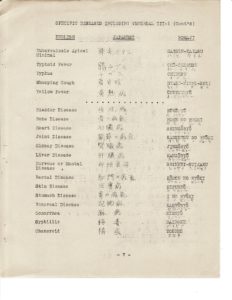
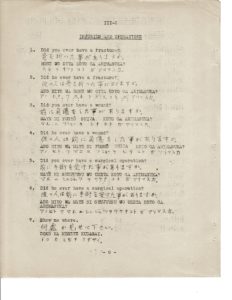
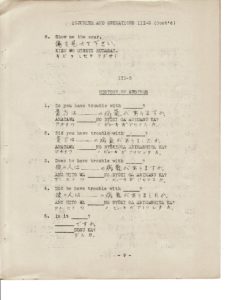
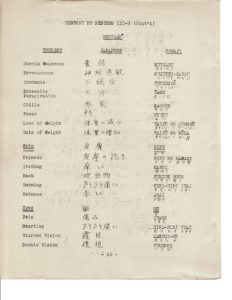
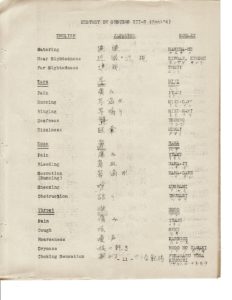
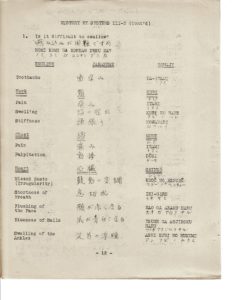
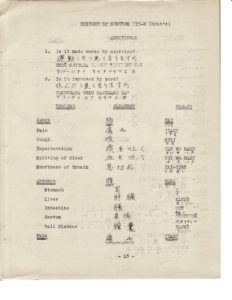
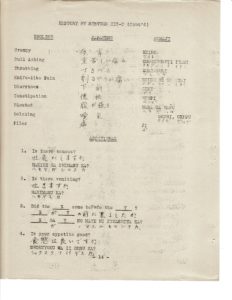
The following year on September 1, 1923, the most destructive natural disaster in modern Japanese history occurred, The Great Kantō Earthquake (関東大震災, Kantō daishinsai), a Japanese natural disaster in the Kantō region of the island of Honshū. This earthquake destroyed Tokyo, the port city of Yokohama, surrounding prefectures of Chiba, Kanagawa, and Shizuoka, and approximately 140,000 people died. During the challenging first months following that major disaster, Mashbir spearheaded an American Medical Relief Effort to assist many of the injured Japanese – As part of this humanitarian process, Mashbir created the first English – Japanese Medical Translation Dictionary that was used by English speaking health care workers while treating Japanese speaking patients.

The Great Kanto Earthquake, dramatically threw Japan back into a state of political and social instability. The Emperor and the Spy historical novel reveals Mashbir’s involvement during these dramatic events.
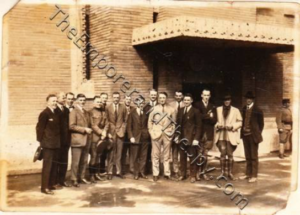


The above November 10th, 1923 photo is labeled: The Volunteer Workers American Relief in Japan

Mashbir (fourth from the left) led this group immediately after the Great Kanto Earthquake. These were the first relief workers to coordinate a major rescue/medical response to this major disaster. Mashbir and his team’s altruistic efforts were gratefully appreciated and remembered by the leaders of Japan. This picture was taken approximately two months after the earthquake, once things had been gotten under control, with Mashbir and his team proudly standing in front of the Imperial Hotel, Tokyo, after a job well done. The back of this photo is presented below.
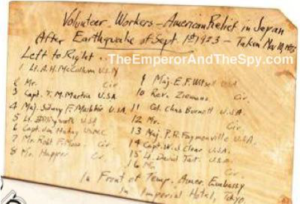
 

Most of these volunteers’ names listed below:

1- Lieutenant A. H. McCollum, U. S. Navy
2- Unnamed civilian
3- Captain T. M. Martin, U.S. Army
4- Major Sidney F. Mashbir, U.S. Army
5- Lieutenant Dillingsworth, U.S. Army
6- Captain Joe Hickey, U.S. Marine Corps
7- Robert F. Moss, a civilian
8- Mr. Harper, a civilian
9- Major Edward Witsell, U.S. Army
10- Reverend Ziemans, civilian
11- Colonel Chas (Charles) Burnett U.S. Army
12- Unnamed civilian
13- Major P. R. Faymonville U.S. Army
14- Captain W. J. Clear, U. S. Army
15- Lieutenant David Tait, U. S. Army
16- Unnamed civilian

Side note: Who would have thought when this photo was taken, it would be almost a century later that this never before publicly seen photo would be shared over the world wide web, honoring these volunteers’ heroic efforts.

The backdrop for the above group photo, the Imperial Hotel, was Frank Lloyd Wright’s architectural masterpiece. It was one of the very few large structures not destroyed by the earthquake. Due to the vast destruction throughout Japan, this hotel was temporarily used as the American Embassy.
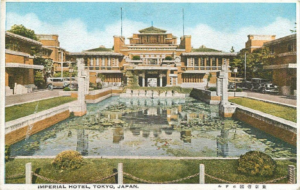


A 1920’s postcard photo of the Imperial Hotel.

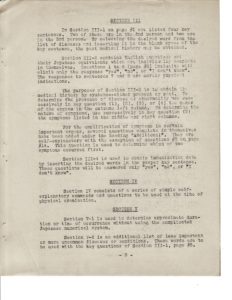
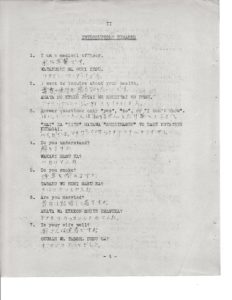
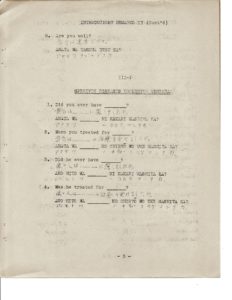
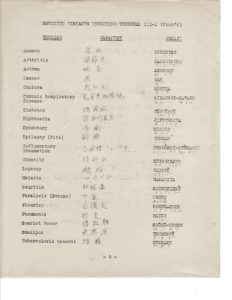
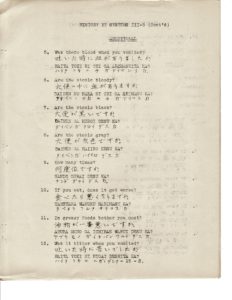
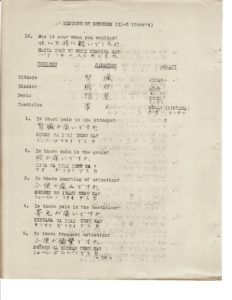
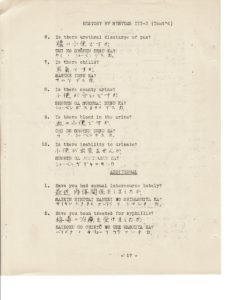
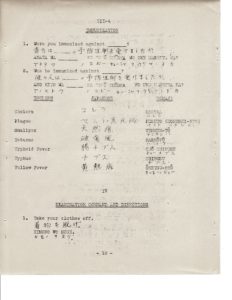
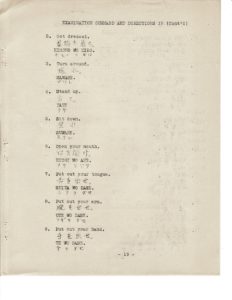
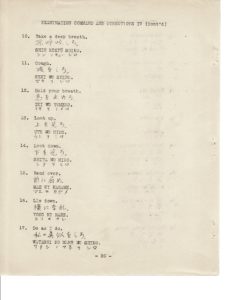
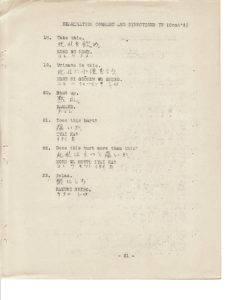
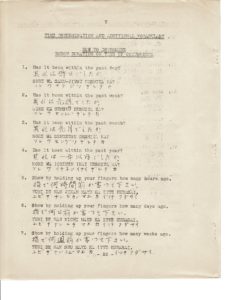
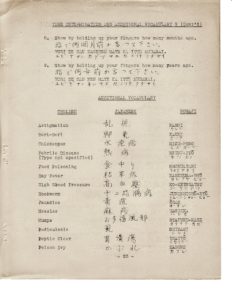
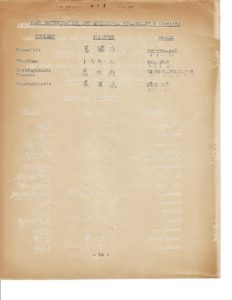
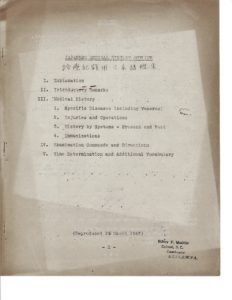
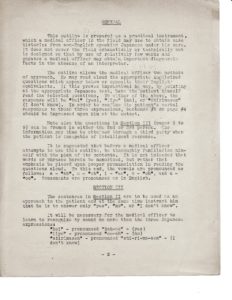
Captain Sidney Mashbir realized that language barriers would get in the way of English speaking emergency health care providers from being able to communicate with and assist the injured Japanese who spoke only Japanese, so he cleverly created an English to Japanese / Japanese to English Medical Translation Dictionary to better facilitate the  treatment of these injured Japanese during the traumatic aftermath of the Great Kanto Earthquake; further below is this 24 page bilingual medical dictionary.

It was republished in 1942, by the then Colonel Mashbir, probably to assist in the treatment of Japanese prisoners of war, who needed U.S. medical treatment. That conflict which Mashbir had devoted his efforts to prevent between the U.S. and Japan during the 1920s and 1930s, regrettably, could not be avoided. The below medical dictionary honors Colonel Mashbir’s altruistic intentions towards the Japanese, and it might also served as a template for an updated version for today to assist in medical situations involving English / Japanese translation while taking a patient’s medical history and to better understand the patient’s current symptoms/injuries.


Filed Under: Mashbir Archives Tagged With: 1923, A. H. McCollum, Captain Joe Hickey, Captain T. M. Martin, Captain W. J. Clear, Colonel Charles Burnett, Colonel Mashbir, Colonel Mashbir Archives, Colonel Sidney Mashbir, David Tait, Edward Witsell, English to Japan / Japanese to English Medical Dictionary, First English to Japanese Medical Dictionary, Great Kanto Earthquake, Imperial Hotel, Imperial Hotel 1922, Kantō daishinsai, Lieutenant A. H. McCollum, Lieutenant David Tait, Lieutenant Dillingsworth, Major Edward Witsell, Major P. R. Faymonville, Mashbir Archives, Mr. Harper 1823, P. R. Faymonville, Reverend Ziemans, Robert F. Moss, September 1, Sidney F. Mashbir, Stan S. Katz, Stan S. Katz blog, T. M. Martin, The art of diplomacy, The Art of Peace, The Art of Peace biography, The Emperor and the Spy, The Volunteer Workers American Relief in Japan, TheEmperorAndTheSpy.com, U.S. Japan, U.S. Japan goodwill, U.S. Japan relations, U.S.-Japan History, US Japan relations, W. J. Clear, World War Two, 関東大震災

President Theodore Roosevelt and Prince Iyesato Tokugawa worked together to improve U.S. Japan relations and combat anti-Asian Racism in America.

November 1, 2019 by Stan S. Katz Leave a Comment

The early 1900s were at times challenging in terms of U.S. Japan engagement:

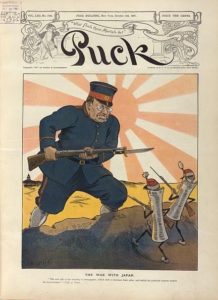
This October 23rd, 1907 Puck magazine cover shows President Theodore Roosevelt defending the nation of Japan from attack. Roosevelt is wearing a military uniform with the Japanese Imperial seal on his hat. He holds a rifle and confronts two rolled-up U.S. newspapers labeled the ‘Sun‘ and ‘World‘ who are also holding rifles and confronting Roosevelt – The background shows the flag of the Japanese Imperial Army.

In the magazine caption, Roosevelt stated that the war talk predicting a future conflict between the U.S. and Japan was based entirely on these incendiary newspapers, which sought to increase their sales, and for that reason, these newspapers had attacked Roosevelt’s representative Minister William Howard Taft, who Roosevelt had again sent to Tokyo to promote improved communications between their two nations. Roosevelt felt things were actually going well diplomatically between the U.S. and Japan and he appreciated the growing friendship between them. However, these news publications were instigating conflict by stating there was an aggressive competition as to which nation would be most powerful in the Pacific. These U.S. newspapers and others promoted a racist/anti-Asian agenda, which negatively influenced American public opinion. Roosevelt felt that relations between the U.S. and Japan were good and were even strengthening based on the interaction of representatives to one another’s nations.

During the early 1900s, President Theodore Roosevelt twice sent his Minister Taft to visit Japan accompanied by a delegation of U.S. congressmen. Taft and his delegation were received and honored at diplomatic events thrown by Prince Tokugawa and Baron Shibusawa, and supported by many other distinguished Japanese representatives. During his goodwill visit to Japan in 1905, the future President Taft was accompanied by President Theodore Roosevelt’s oldest daughter Alice. Taft and Alice were treated graciously during their time in Japan, and even met with the Japanese Emperor Meiji. 


Seeing the heated racism in the U.S. against Asians living there, Prince Tokugawa took a stand in his own nation against this narrow minded and cruel approach to treating one another. To combat racism, Prince Tokugawa during the 1920’s established Essay Writing Contests in all Japanese public schools and public universities, where students expressed in their own words what Abraham Lincoln’s noble principles of human equality stood for.

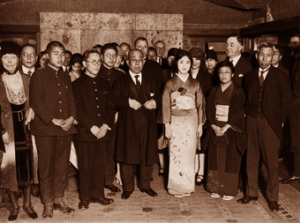
This photo highlights a February 19, 1929 Award presentation to the winners of the Third Lincoln Essay Contest which was held at the Imperial Hotel, Tokyo.
Prince Iyesato Tokugawa was the President of the America-Japan Society which sponsored the event.

In photo: Prince Tokugawa (front center) and Count Aisuke Kabayama (at far right). This photo is courtesy of the America-Japan Society: this fine organization located in Japan, was founded in 1917 and continues to this day to promote amity and mutual understanding between the Japanese and American people. Prince Tokugawa was its 2nd president from 1924 until his passing in 1940.

To learn more, here is the internet link to the America-Japan Society:    http://ajstokyo.org/en-home/


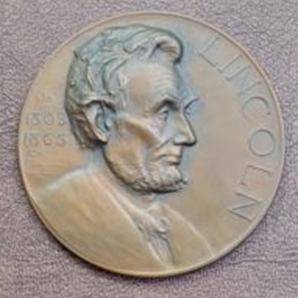
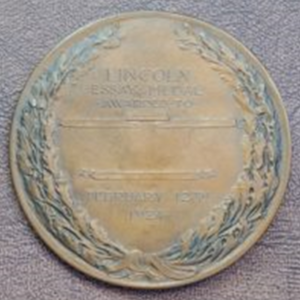
The winners of these essay contests were awarded an impressive Abraham Lincoln Commemorative Coin in recognition of their accomplishment.

Presented below is the front and back of one such commemorative award, which was 3 inches in diameter. This commemorative medallion included a velvet lined presentation case to display the award. 


Hope you enjoyed your visit.

You’re invited to Sign up for future blog posts & Please consider sharing this post with your friends who appreciate history.


Through narrative and hundreds of illustrations, THE ART OF PEACE  presents a new historical perspective on U.S. Japan relations.


AVAILABLE THRU AMAZON:

General Reader Edition

Expanded Edition

Filed Under: Tokugawa Archives Tagged With: Abraham Lincoln, Aisuke Kabayama, America-Japan Society, Anti-Asian Racism, Diplomacy of Peace, Historical biography, History of Racism, Honoring Abraham Lincoln, Horizon Productions, Imperial Hotel, Japan U.S. Relations, Lincoln Essay Contest, Lincoln Essay Contests, President Lincoln, President Roosevelt, President Theodore Roosevelt, Prince Iyesato Tokugawa, Prince Tokugawa Iesato, Prince Tokugawa Iesato Archives, Puck Magazine, Stan S. Katz, Stan S. Katz blog, The Art of Peace, The Art of Peace biography, TheEmperorAndTheSpy.com, Theodore Roosevelt, U.S. Japan relations, US Japa, US Japan relations, William Howard Taft, Yellow Peril

Copyright © 2026 Stan S. Katz